
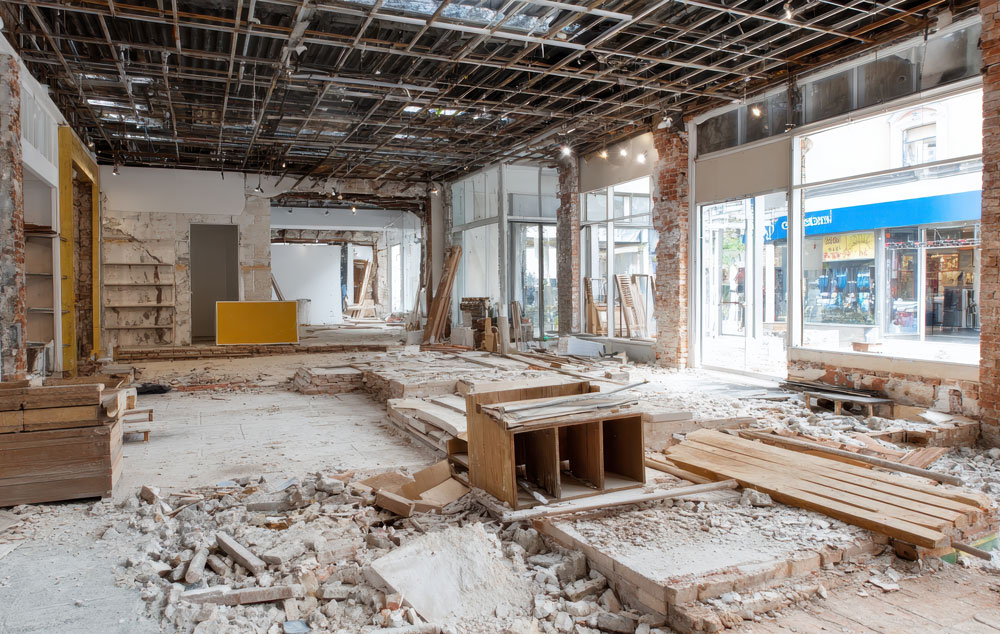
Any commercial refit has two sides. There’s the practical work — the dust sheets, tools, deliveries, wiring, insulation, fresh structure and fresh paint. Then there’s the impact on the people who still need to use the building. Shops want to keep customers moving through. Offices want staff to remain productive. Schools want pupils kept safe and settled. The work has to happen, yet life has to continue. That, more than anything, is where disruption becomes the true cost of a refit.
Minimising that disruption isn’t a luxury, it’s vital. The most expensive part of a project is often not the actual materials or labour, but the days when someone can’t operate properly. A slow café counter, confused visitors, blocked corridors or noisy plant can erode goodwill faster than any invoice. The good news is that careful thinking at the start of a project may prevent most of it.
Planning is the strongest tool you will ever use
People sometimes underestimate how effective planning can be. Not planning in a vague sense, but in real detail: phasing, scheduling, routes, safety, noise, deliveries, hours, signage and communication. The earlier these conversations happen, the easier the refit becomes.
Refits that run well usually share the same behaviours:
-
Clear schedule of works
-
Proper sequencing of trades
-
Honest conversations about potential disruption
-
Sensible access routes
-
Somebody responsible for coordination
It’s tempting to rush into action, especially when the building already feels tired or inefficient. Yet time spent planning can save weeks later. I’ve seen projects where someone tried to begin immediately and then stopped for days because nobody had considered how materials would reach the upper floors. A bit of forethought would have prevented the mess entirely.
Work in stages rather than everywhere at once
One of the most painful forms of disruption is when the whole building is affected. People arrive in the morning to find ladders in every corridor, tape blocking off half the floor and tools stacked near reception. Even if the refurbishment is urgent, that kind of chaos sets the wrong tone.
A staged approach may appear slower at first, yet it often finishes earlier. By focusing on one section at a time, contractors can work faster, more safely and more cleanly. Clients can still operate in the areas that aren’t touched yet. Schools may keep key classrooms open. Hotels may maintain occupied floors while the others are upgraded.
It sounds simple, and it is, but it’s surprisingly effective. Nobody feels overwhelmed. People see progress. Disruption shrinks to a few areas rather than the whole building.
Think about noise more than you think you need to
Noise is a strange enemy. It doesn’t block a doorway or take up space, yet it affects concentration, customer experience and sometimes health and safety. Loud hammering or drilling in the middle of the day may unsettle staff or push clients away.
Refits that minimise noise disruption usually do one of three things:
-
Schedule noisy work outside key hours
-
Use acoustic screens or barriers
-
Communicate clearly when noise is unavoidable
A hotel, for example, may arrange drilling after checkout and before the next check-in rush. A school may ask for noisy tasks during holidays or weekends. For offices, even a simple message like “loud work between 6pm and 8pm Wednesday” helps people plan ahead. The disruption is still there, but it feels manageable rather than chaotic.
Temporary access routes are worth the effort
People need to move. They need toilets, exits, kitchens, lifts, car parks, emergency escape routes and meeting spaces. If access is blocked or constantly shifting, frustration rises. When frustration rises, complaints arrive. None of that is inevitable.
Temporary routes, marked properly, make a world of difference. They may include:
-
Clear signage
-
Temporary flooring or ramps
-
Barriers to separate work and public areas
-
Safe escape routes that meet regulations
-
Visual maps posted at entrances
It only takes one confused visitor to disrupt a day. I once watched a delivery driver circle a building three times because a loading bay had been moved with no sign. Ten minutes of planning would have prevented it. Small adjustments are often the cheapest form of disruption control.
Communication is not just courtesy — it is strategy
A commercial refit may run quietly in the background, but people notice interruptions before they notice progress. This is why communication matters so much. When staff know what’s happening, they’re calmer. When customers know what to expect, they are forgiving. When contractors know the plan, productivity rises.
Good communication includes several things:
-
Regular updates
-
Short notices about noisy work
-
A clear point of contact
-
Visible signage
-
Friendly tone
The aim is not to create long memos. A simple weekly email, a noticeboard near reception, or even printed signs can help. Someone might shrug at the disruption if they’ve been warned the day before. It’s the surprise that causes problems.
Respecting health and safety reduces the hidden disruption
One misplaced ladder, one extension cable across a corridor, or one dusty stairwell can stop an entire building in its tracks. Health and safety is sometimes labelled as paperwork, but in practice it’s about movement, cleanliness and prevention.
The buildings that handle refits well usually keep the basics tight:
-
Clean routes
-
Covered flooring
-
Proper dust control
-
Fire exits kept open
-
Tools stored safely
-
No materials blocking doors or lifts
A tidy site is easier to work on and easier to live with. It feels controlled. Staff and visitors sense that someone is paying attention, which reduces anxiety. And anxiety is a huge part of disruption. When people feel unsafe, they change behaviour, cancel visits or stop using parts of the building.
Outside hours work — when it makes sense
There is an idea that night work is always more expensive. Sometimes that is true. Labour costs can rise and logistics can be awkward. But for certain refits — hotels, restaurants, offices and retail — night work may actually be cheaper when disruption is considered.
If a retail store can stay open during the day, the revenue may easily outweigh the extra costs. If a school can operate without losing teaching time, the saving is obvious. There is no single rule here, but it’s worth running the numbers rather than assuming.
Keeping morale high
A refit often changes the emotional climate of a building. Dust, noise and temporary access can slow people down. Someone may feel unsettled at their desk or irritated that a favourite path is blocked. Small gestures can help more than you’d think:
-
Fresh coffee in a temporary kitchenette
-
A clean break area
-
Regular updates with realistic timelines
-
Making progress visible
When people see improvement, they accept inconvenience. When everything feels stagnant, disruption becomes a complaint.
The bigger picture
Minimising disruption is not about pretending a refit is invisible. It is about control, honesty and balance. The building needs to evolve, but operations need to continue. With planning, staging, communication and a bit of empathy, both are possible.
The most successful refits I’ve seen have shared a single idea: keep life running. Work happens in the background. People still arrive, still work, still serve customers or attend lessons. The building gradually becomes better without damaging the daily rhythm.
It may appear simple, perhaps even ordinary, yet it is what clients remember. A smooth project lingers in their mind, long after the dust has settled and the walls look brand new.