
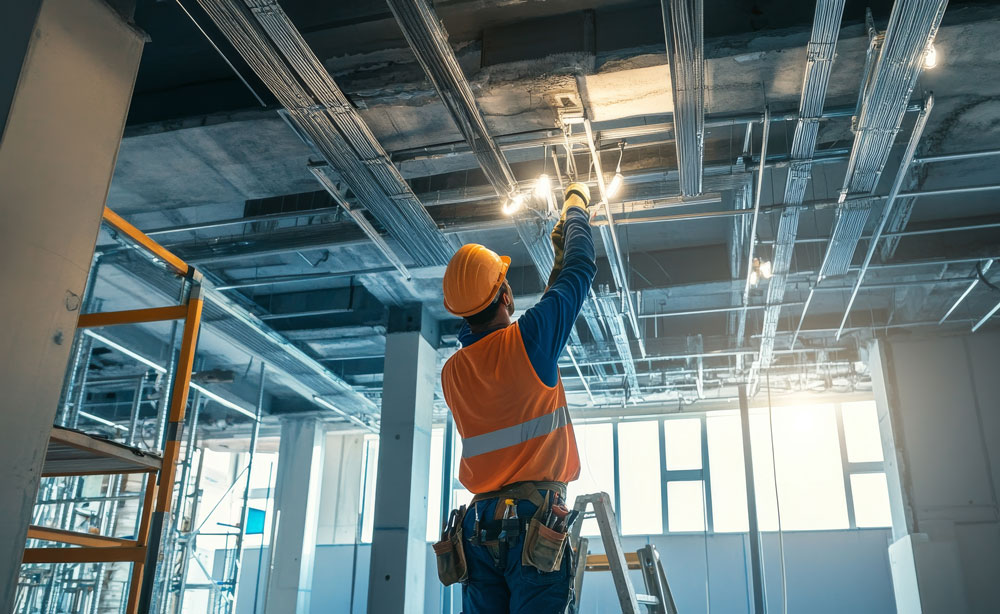
Commercial fit-outs are exciting on paper. A new layout, better lighting, tidy ceilings, smart flooring and fresh paint – it all sounds simple. Then the work begins, and suddenly there are decisions, delays, budget changes, and a realisation that a quiet corridor on the drawing doesn’t feel so quiet when fifty people walk down it every morning. A lot of this is avoidable, yet mistakes keep repeating because certain details tend to slip through the net.
This piece looks at the things clients often overlook. None of them are glamorous, yet they are the elements that may decide whether a fit-out feels polished or chaotic once everyone moves back in.
Storage: where does everything actually go?
Storage rarely appears on the first page of a plan. People focus on desks, meeting rooms, a reception area or a staff café, but not the boring cupboards that will store printer paper, uniforms, cleaning equipment or promotional stock.
The problem usually becomes obvious six weeks after moving in, when a cleaner hides a vacuum behind a staircase because there is nowhere else to put it. Smarter planning prevents this. A couple of built-in cupboards or dedicated storage rooms are rarely expensive, and they make the space feel more organised.
Hotels, schools and offices all need storage. It may seem mundane, but when it is missing, frustration builds quickly.
Acoustics and noise
A fit-out may look beautiful and still fail because sound travels everywhere. In shared spaces, noise is one of the biggest sources of complaint. A room that appears open and stylish may echo like a swimming pool when people start talking.
Acoustic baffles, soft furnishings, and careful placement of walls may improve this. Many projects only consider acoustics at the very end, when the paint is dry and the only option is to hang panels on walls. Planning acoustics early often saves money and gives a better result.
Schools, call centres, medical facilities and busy offices benefit hugely from this. Silence may not be realistic, but comfortable sound levels are.
Services above the ceiling
Ceilings hide all sorts of things: ducts, water pipes, cables, sensors, fire protection, and sometimes unexpected history from previous renovations. When work starts and tiles are lifted, surprises appear.
A team walking into a new fit-out may find five layers of old ducting, or wiring that was never labelled. Sorting this takes time. The client may assume the ceiling is simply decorative, yet it is often a critical route for every trade.
This is one reason a full survey is worth the effort. It may feel like a delay at the start, but discovering problems before demolition almost always keeps the project on track.
Access during the work
Commercial premises rarely close completely. Hotels still host guests, schools continue teaching, offices remain open. Clients sometimes forget that access routes must be kept safe and clear.
A contractor needs space to bring materials in and waste out. That may mean taking a door off its hinges, ordering smaller lifts, or planning deliveries at quiet times. When access is ignored, productivity drops quickly.
Simple communication may solve most of this. Letting staff know that certain areas are off limits at certain times will reduce stress. People cope well when they know what to expect.
Fire strategy and compliance
Fire safety is not a topic that excites people, yet it matters more than any paint colour. Fit-outs often change escape routes, door positions and the performance of walls. That means the original fire strategy may no longer apply.
Clients sometimes think fire safety is handled by “someone else”, yet the responsibility remains shared. Fire doors must close properly, signage must be correct, and any penetrations through walls need to be sealed. A contractor will usually manage this, but they need early agreement on how the building is used.
A corridor that looks wide enough on paper may become a pinch point when 200 people move through it at once. Thinking through evacuation may feel dramatic, yet in real life it saves time, money and possibly lives.
Mechanical and electrical services
Lighting plans are another area where clients often change their mind halfway through. A fitting that looked stylish in a brochure may not be bright enough in a large space. Equally, some buildings end up with far more lights than needed, which pushes bills up and creates glare.
Smart lighting that reacts to daylight may be worth considering. It feels natural and reduces costs. Mechanical systems deserve equal attention. Heating, cooling and ventilation should not be an afterthought. When duct routes and pipework are planned early, fewer clashes happen on site.
People sometimes forget the smaller items: power sockets, charging points, and network cabling. These are the things staff use every day. If they are in the wrong place, frustration creeps in.
Waste and delivery
A fit-out produces waste: timber, plasterboard, packaging, old fixtures and random debris. This waste needs to go somewhere. Skips fill fast and will need replacing, sometimes several times.
If the building has tight access, skip lorries may struggle. If neighbours complain, deliveries may be restricted. These elements seem minor, yet they can delay a job more than any expensive specification.
A practical conversation at the beginning usually helps. Where can waste be stored before removal? What times are deliveries acceptable? Can the contractor use a loading bay without disrupting tenants? These are dull questions that save days of unnecessary waiting.
Signage and wayfinding
The fit-out may be perfect inside, yet visitors still need to know how to find reception, the toilets, the lift or the fire exit. Signage is regularly forgotten until the very last week, when someone orders temporary signs online.
Good signage looks natural, matches the décor and helps people move around without asking for directions. Hotels and schools benefit hugely from clear wayfinding, as do offices with frequent visitors.
Not every sign needs to be big or bold. Subtle direction markers, icons or colour-coded zones may guide people without shouting.
The emotional side
One point that surprises many clients is how emotional the final few weeks feel. People get tired of dust, noise and temporary layouts. They want it finished. When a snag appears, even a small one, frustration rises quickly.
This reaction is completely normal. A building project disrupts routine. Staff want stability back. A good contractor understands this and communicates clearly. They may send updates, share a timeline, or arrange walkthroughs. Small touches make a difference.
Once the handover happens, stress usually disappears. People walk in, see the clean space, smell the fresh paint, and the sense of relief is noticeable. The team forgets the inconvenience, and appreciation replaces irritation.
What to take from all this
Commercial fit-outs succeed when planning goes beyond colours and floor plans. The things that are easy to forget — storage, access, waste, acoustics, fire safety — are often the things that shape everyday experience.
None of these details is glamorous, yet they are practical and sensible. A fit-out that works well is usually the result of dozens of quiet decisions made early rather than dramatic moments on site.
If there is a takeaway, it might be this: involve your fit-out team early, talk through the mundane details, and ask what they have seen go wrong on other jobs. Their answers may spare you a lot of stress.